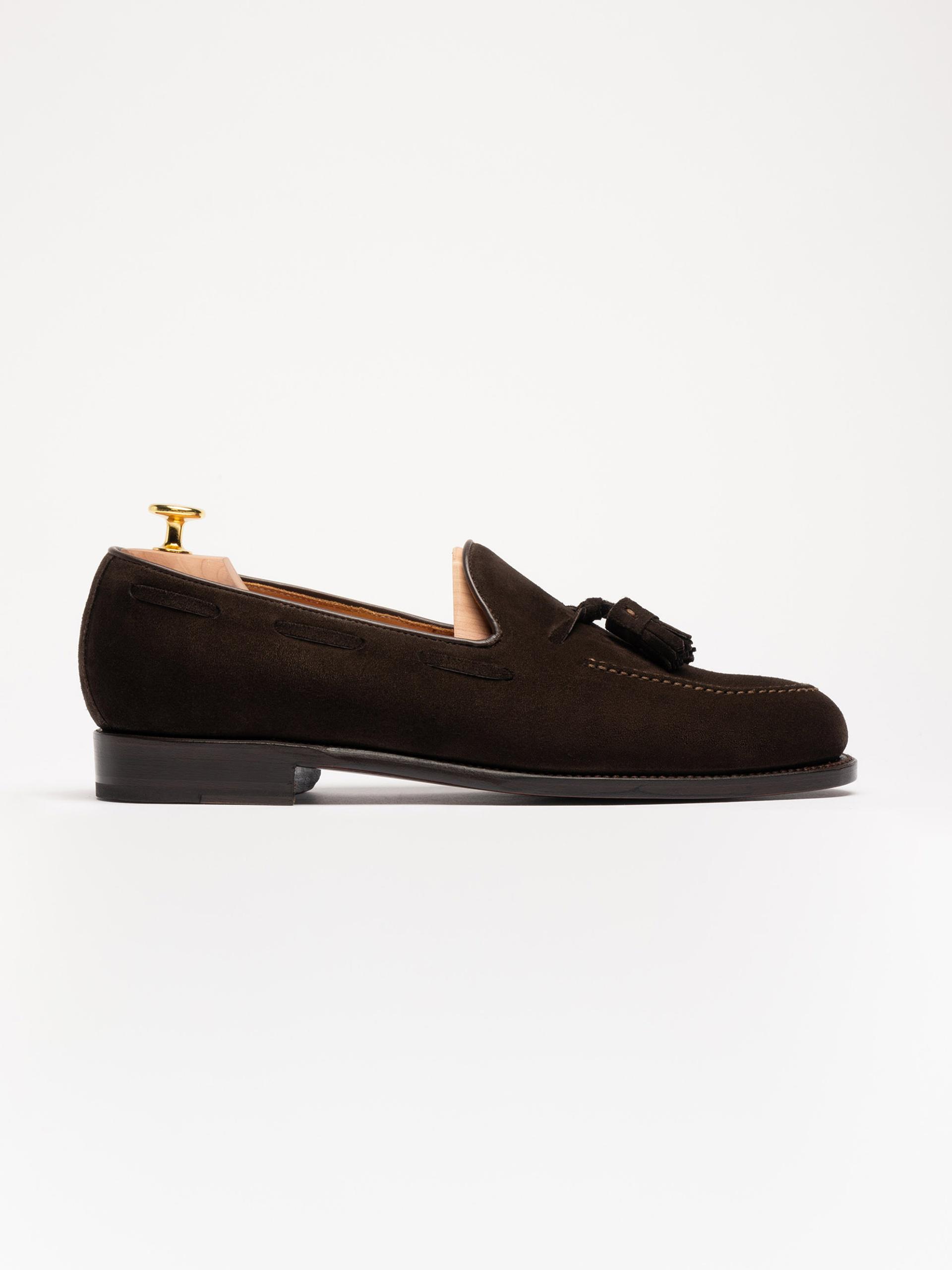
)
What Is Suede?
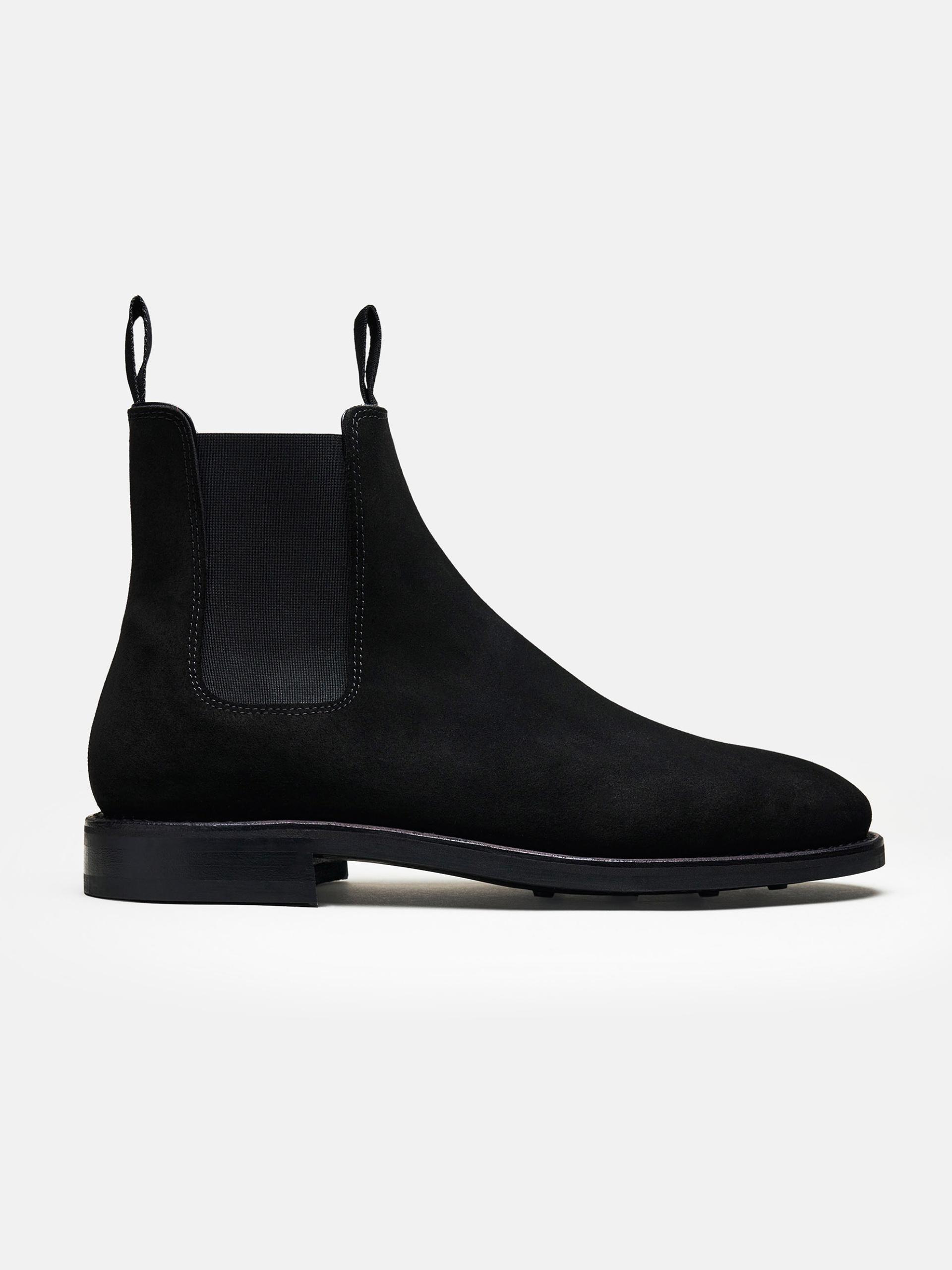
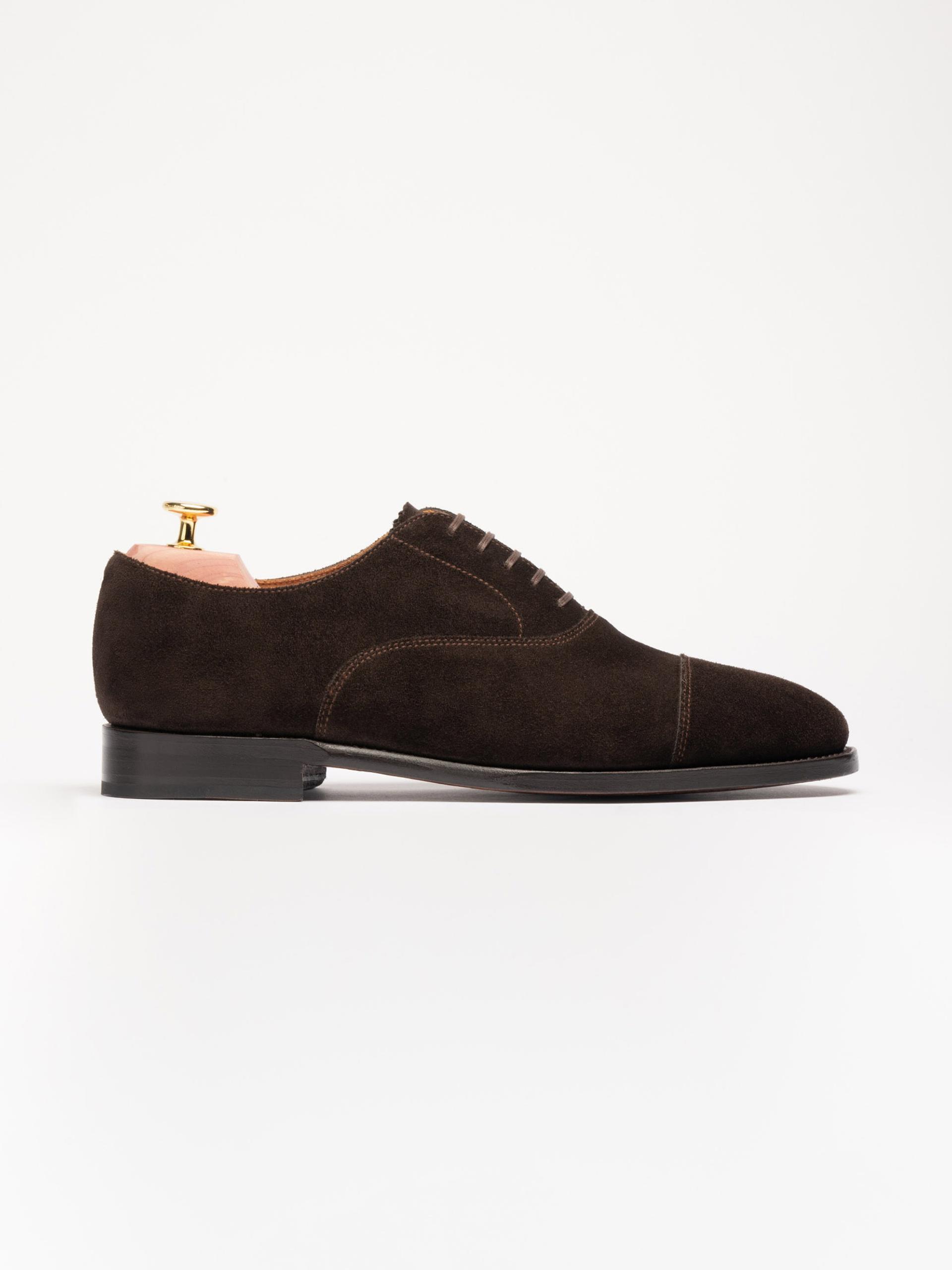
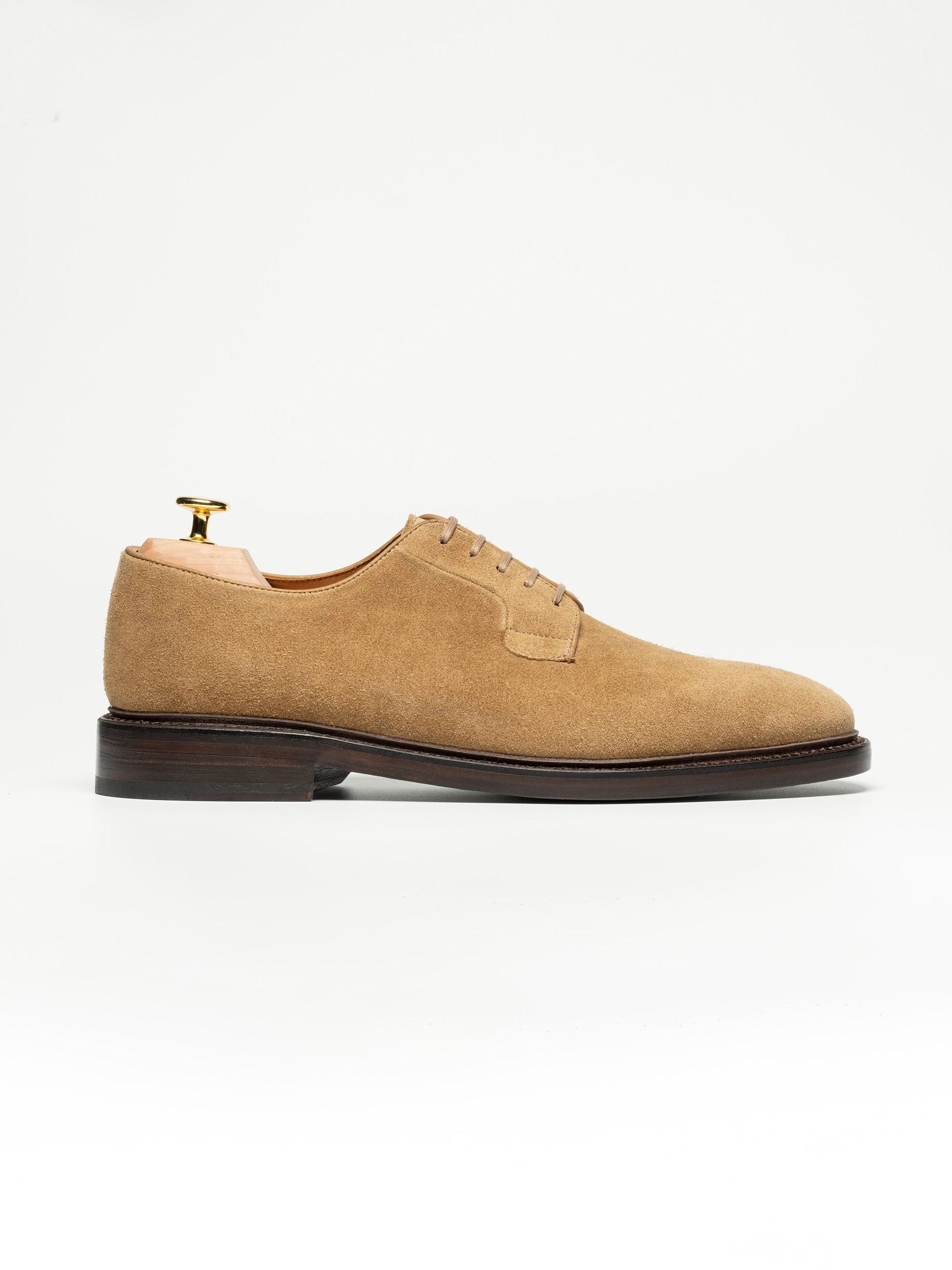
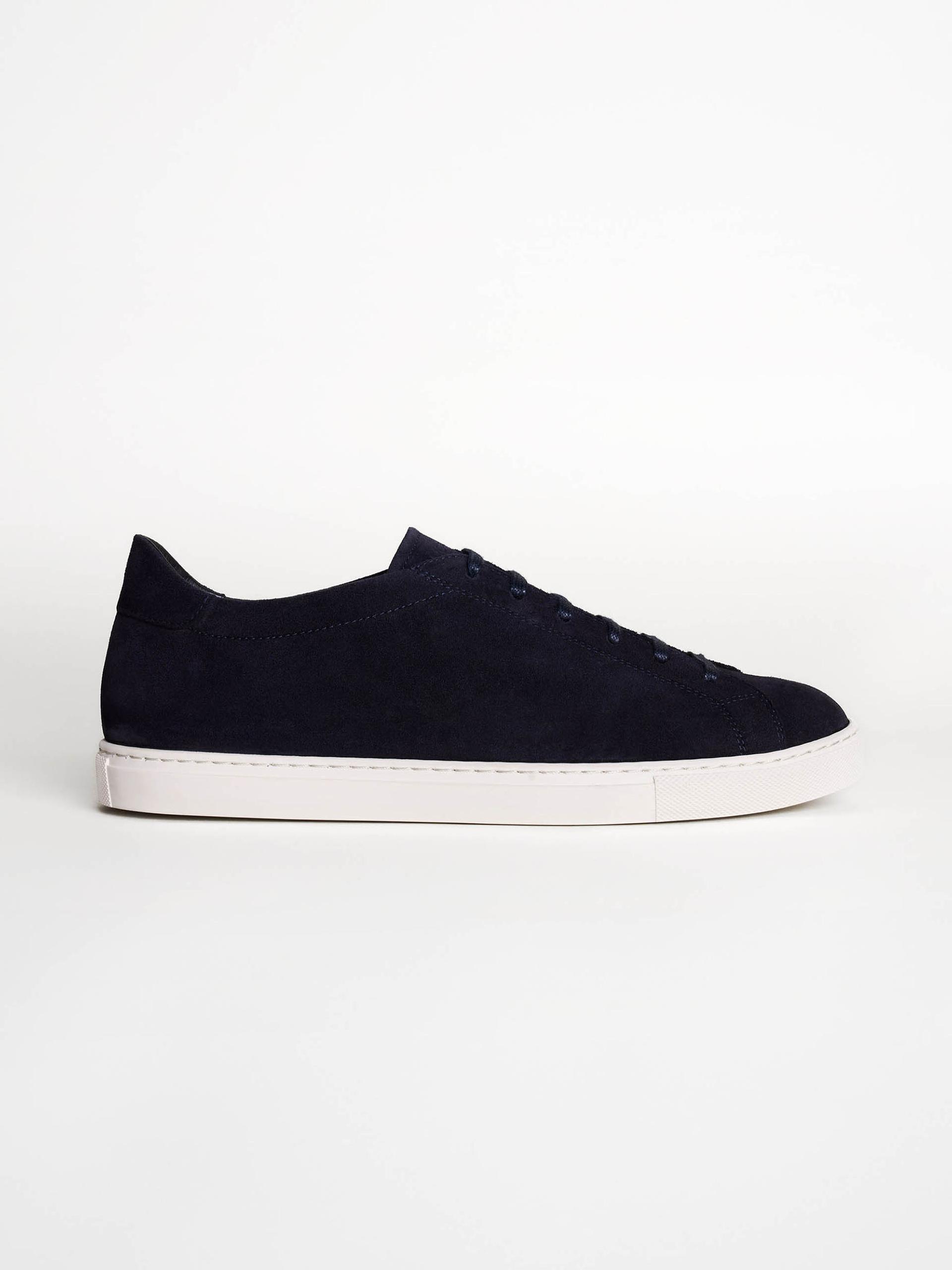
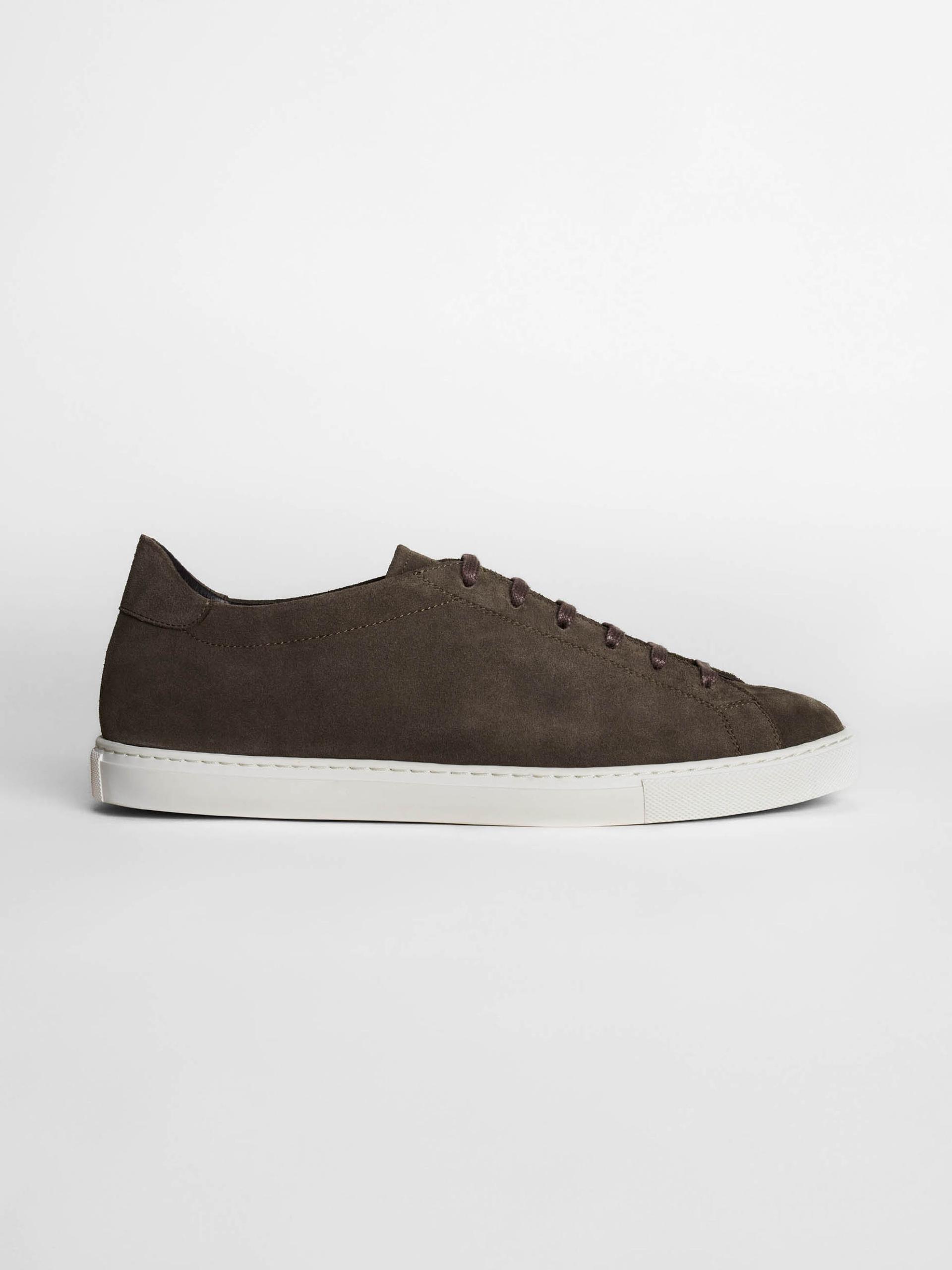
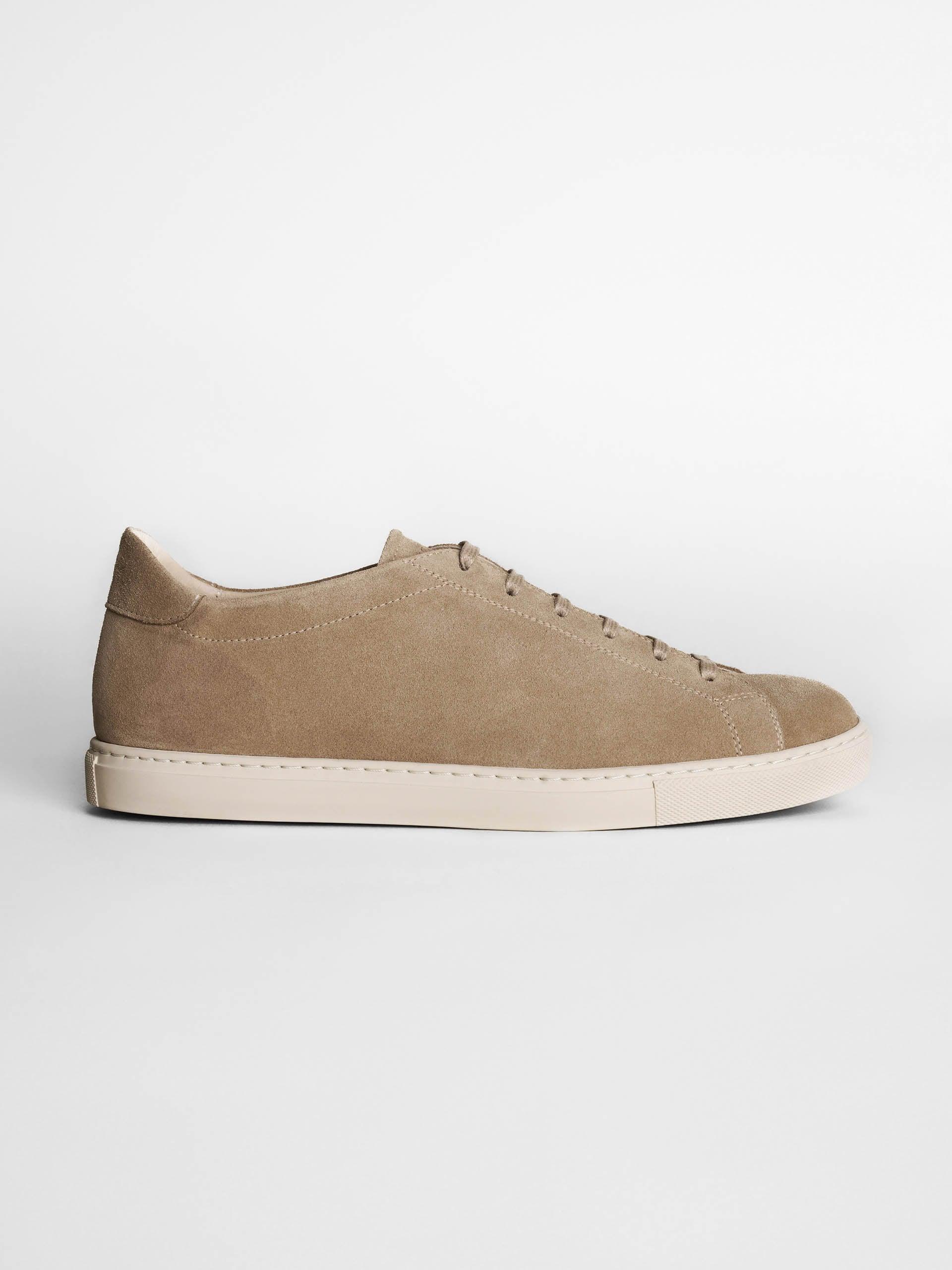
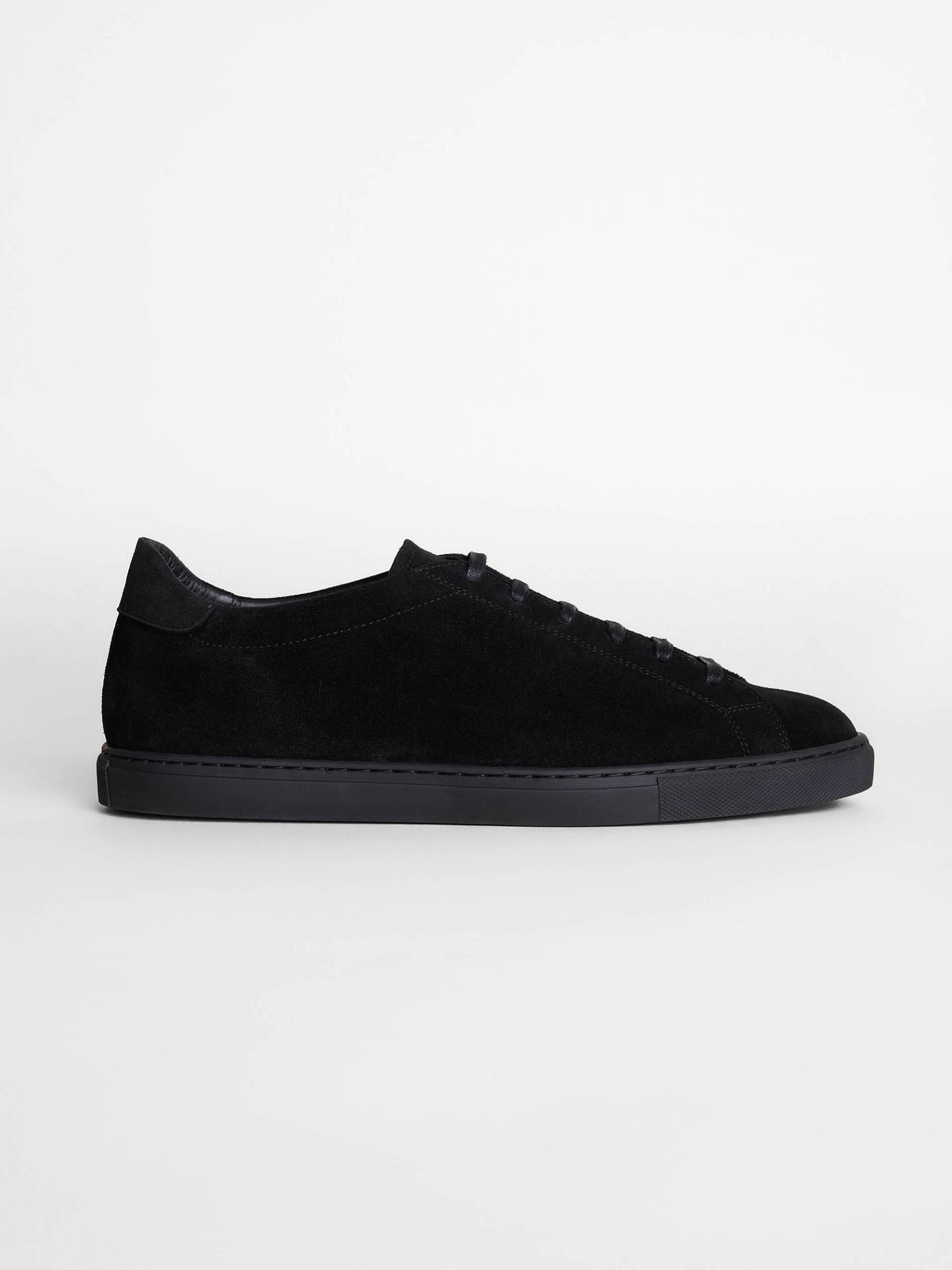
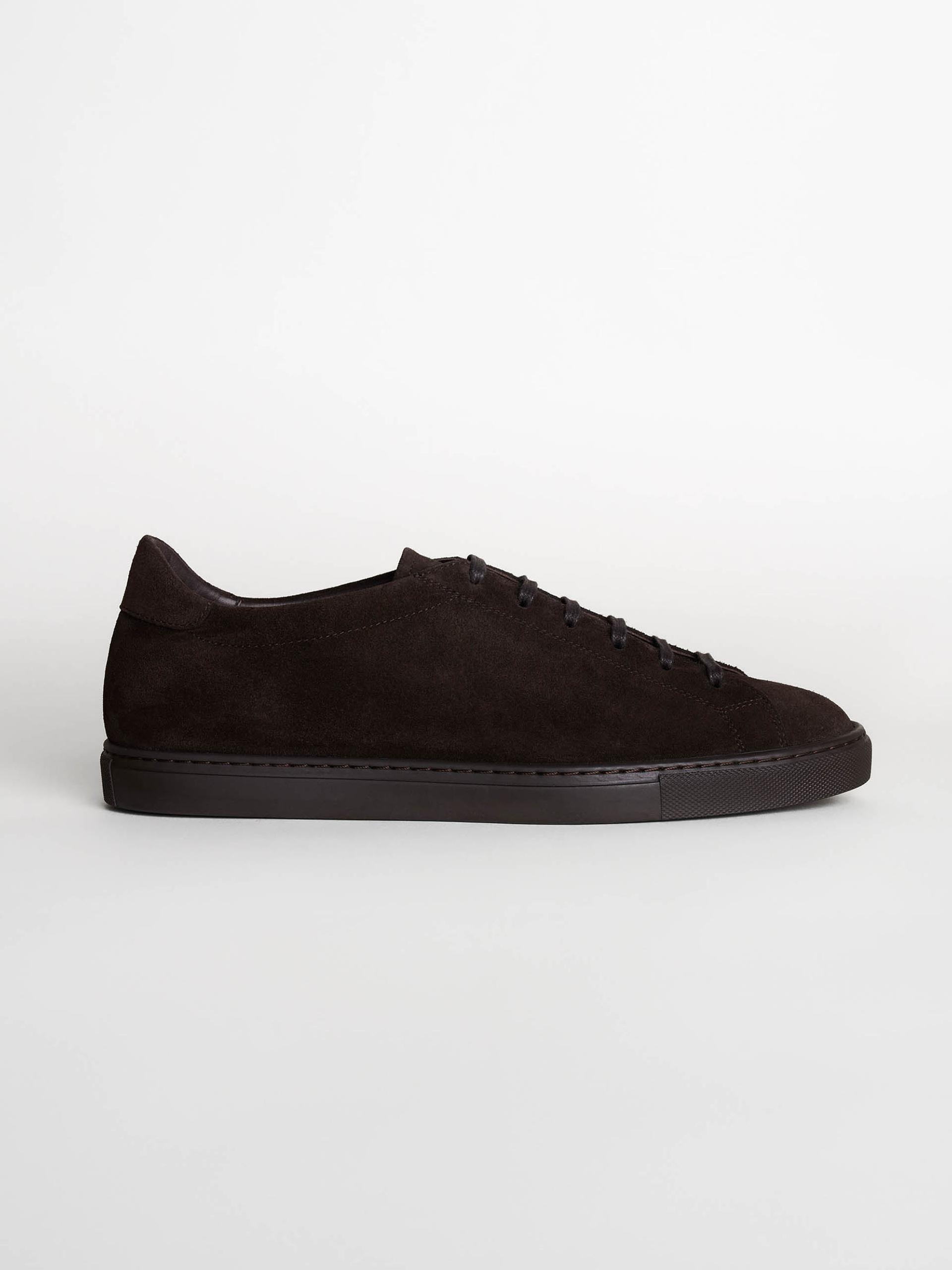
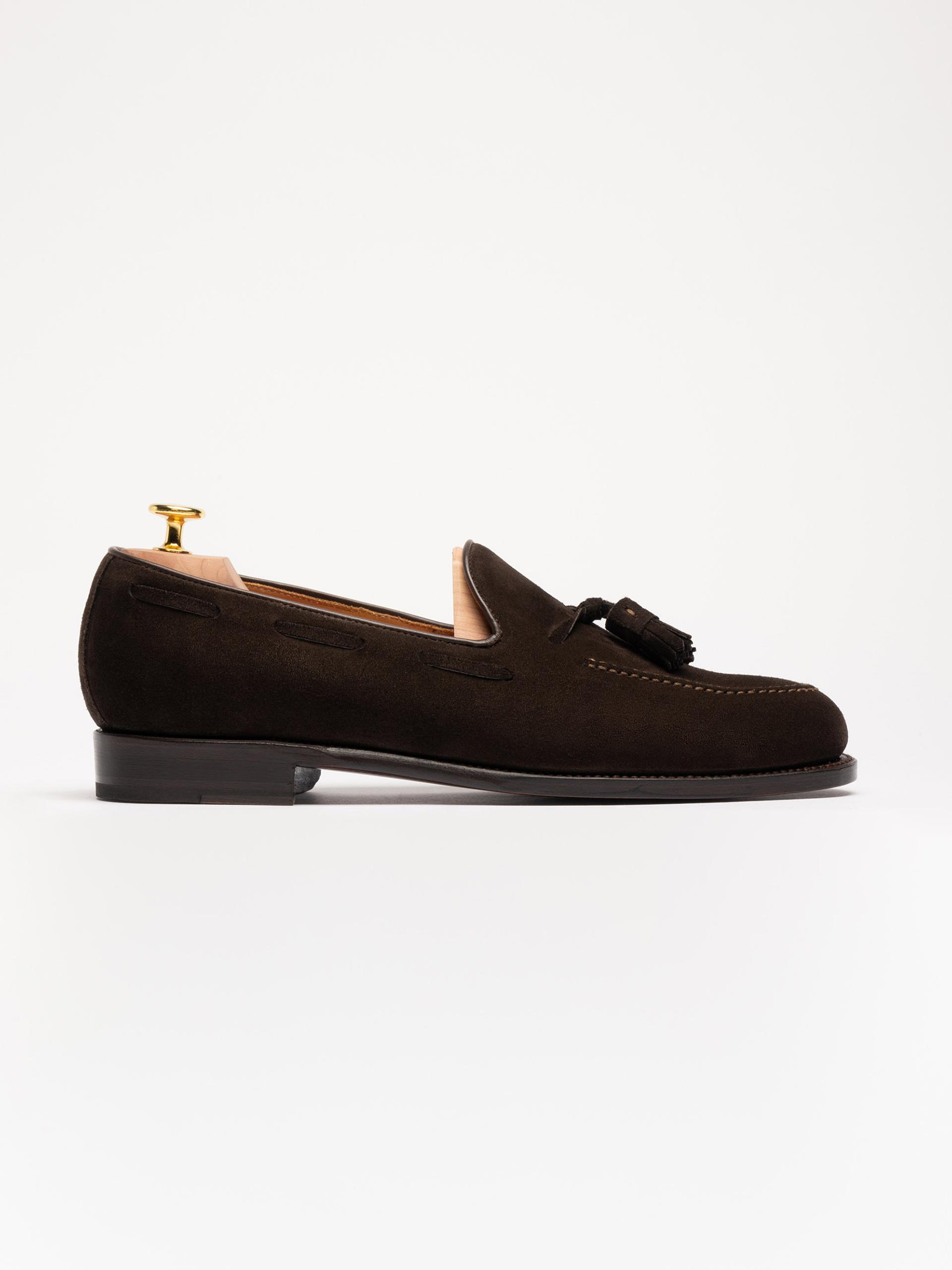
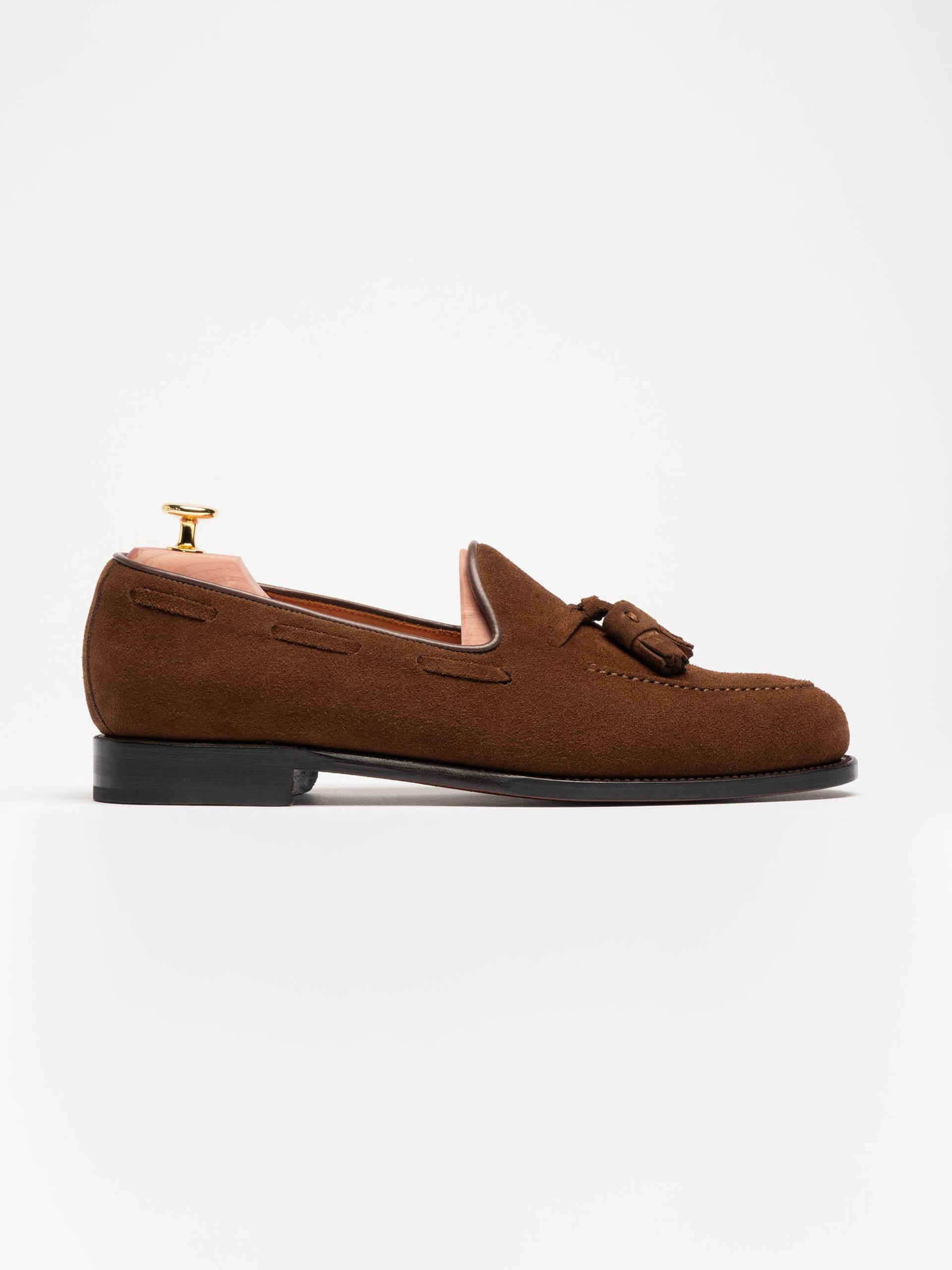
Suede is a type of leather with a soft, velvety surface, made by sanding the inner side of an animal hide to raise a fine nap. It is lighter and more flexible than full-grain leather, and noticeably softer to the touch – but it is also more porous, and therefore more sensitive to water and staining. In footwear, suede is most often made from calfskin, lambskin, or goatskin, and it is used across everything from loafers and espadrilles to Chelsea boots and chukkas.
The short answer: suede is leather, but not all leather is suede.
At MORJAS we've worked with suede since our first collection, sourcing it from European tanneries in Spain and Italy. This guide explains how suede is made, how it differs from related materials like nubuck and full-grain leather, and how to get the most out of it.
)
)
How is suede made?
Suede begins the same way all leather does: an animal hide is tanned – either with vegetable tannins (slower, gentler, and producing a softer hand) or with chromium salts (faster, more uniform colour, more water-resistant). Once tanned, the hide is ready for finishing.
What separates suede from smooth leather happens in the finishing stage. The hide is sanded on its inner (flesh) side, raising thousands of tiny fibres that stand upright and create the characteristic velvety surface – the "nap." The length and uniformity of the nap depend on which layer of the hide is used and how it is finished – both decisions the shoemaker makes based on what the shoe needs to do.
The best suede is then drum-dyed – rotated in large drums with dye, so the colour penetrates through the full thickness of the leather rather than sitting on the surface. This matters in practice: a brushed patch on a well-dyed suede loafer doesn't reveal a paler shade underneath. It is also what allows suede to patina gracefully rather than fade unevenly.
Split suede and reverse suede
Hides used for fine shoemaking are typically thicker than what a single pair of shoes needs, so they are split horizontally into two layers. Each layer has a role, and the one a shoemaker chooses depends on how the shoe will be built.
Split suede is the more common choice, and the standard material for lined suede shoes across premium shoemaking. It comes from the lower, fibrous layer of the split hide, and is sanded on both faces to produce its characteristic long, soft, uniform nap. When the shoe has an inner lining – as most dress loafers and boots do – the lining provides the structure, and the suede's job is to feel and look right. Split suede does that beautifully: plush, consistently coloured through drum-dyeing, and with the even texture that reads as "suede" in the mind's eye. This is the material we use across most of the MORJAS collection.
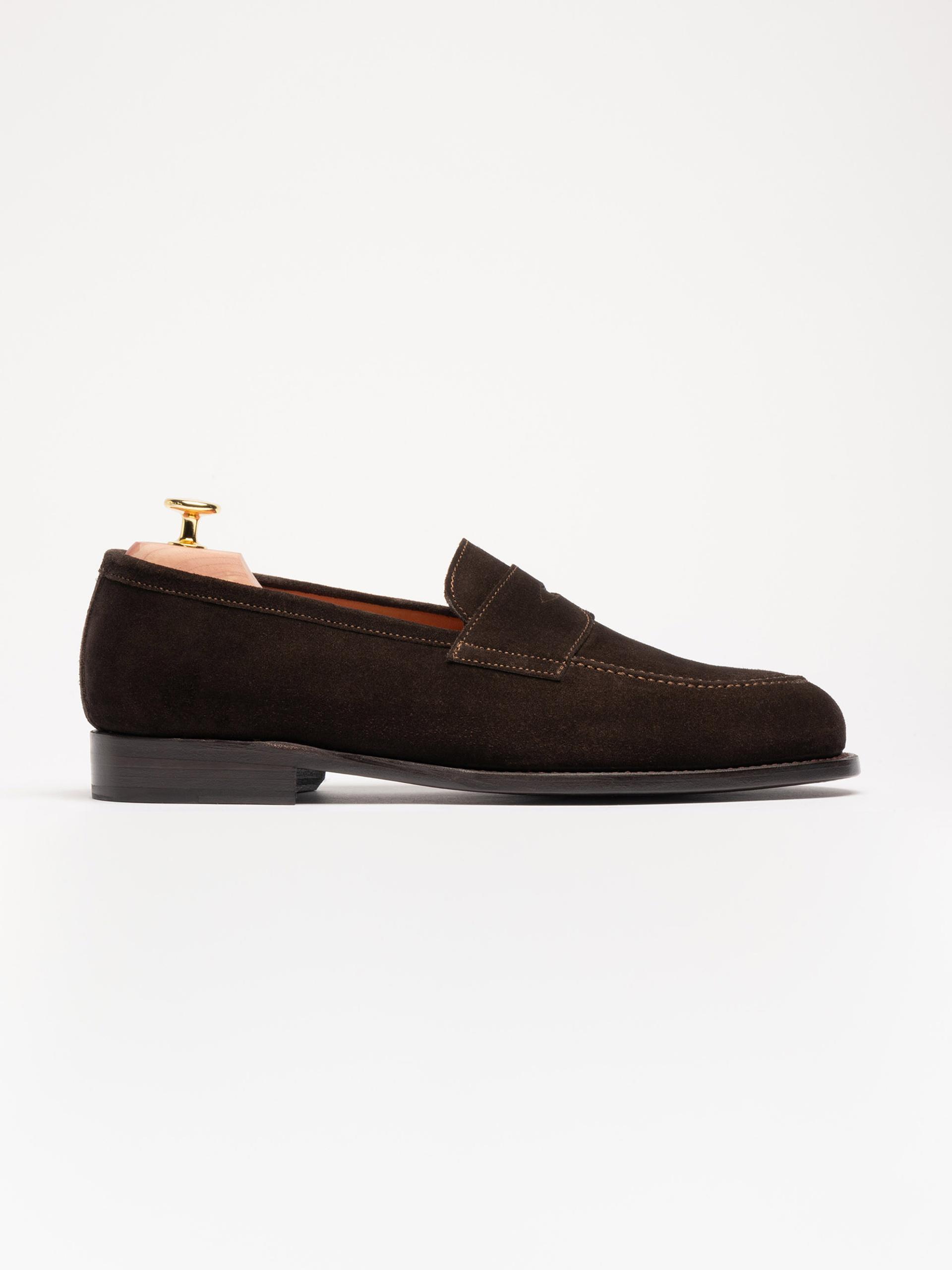
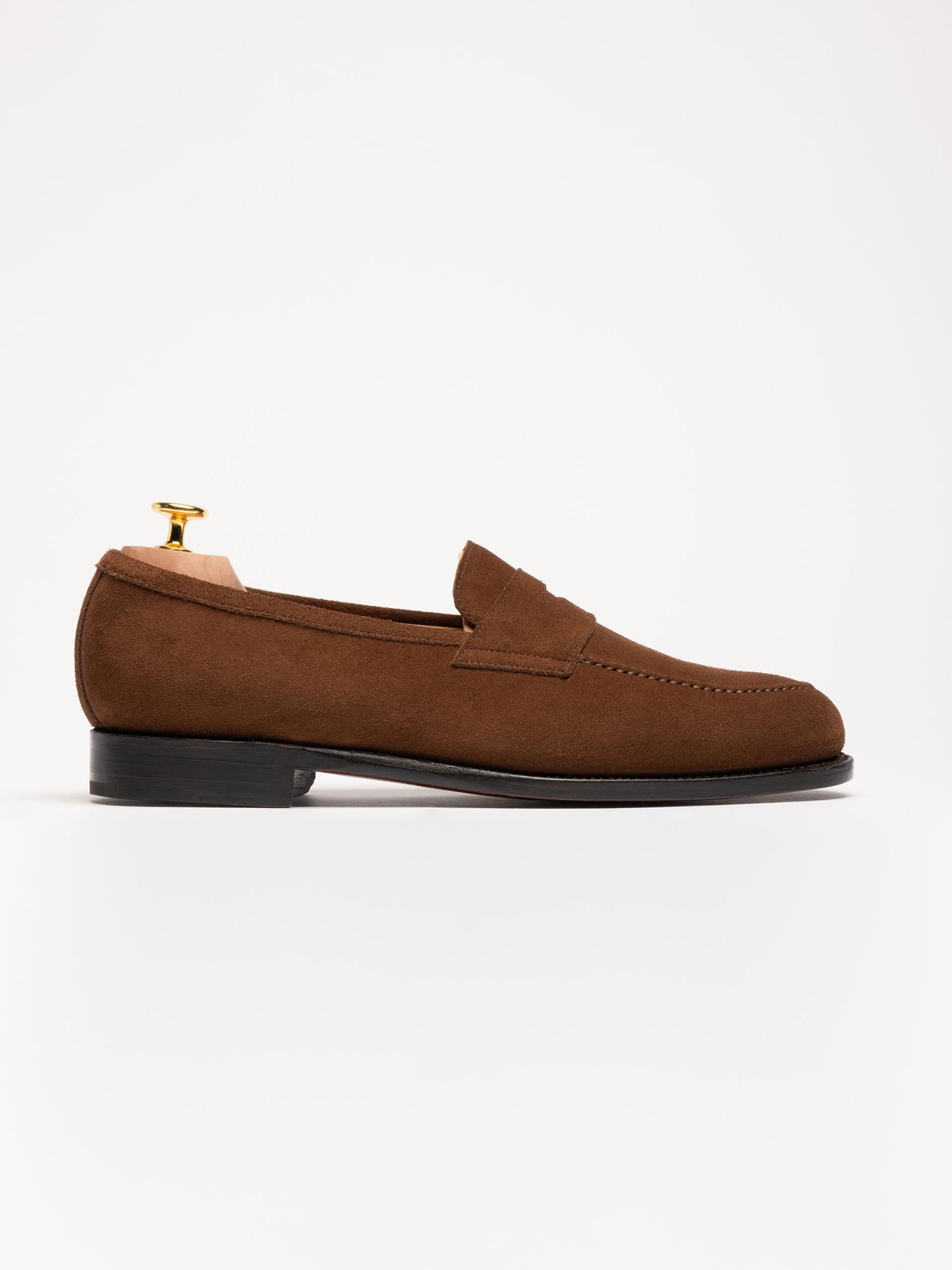
Reverse suede (sometimes called rough-out) is a different choice for a different construction. It is a full-grain leather – the grain layer of the hide, with the natural outer surface intact – worn with the flesh side facing out, so the sueded appearance is actually the underside of a full-grain leather. It retains the fibre density and strength of the full grain, which is why shoemakers reach for it in unlined constructions: with no lining inside, the leather has to hold shape, breathe, and soften correctly all on its own. At MORJAS we use reverse suede for our unlined styles – like the Unlined Penny Loafer – where the leather sits directly against the foot and needs the extra integrity that a full-grain backing provides.
)
)
Suede vs. nubuck – what's the difference?
Suede and nubuck are often confused, and many shops use the terms loosely. Technically, the difference is clear:
Sanded on:
Suede: Flesh side (inner)
Nubuck: Grain side (outer)
Nap:
Suede: Longer, softer, more visible
Nubuck: Shorter, finer, more uniform
Feel:
Suede: Velvety, plush
Nubuck: Closer to smooth leather
Durability:
Suede: More flexible but more porous
Nubuck: Retains more of the grain's strength
In short: If you can see individual fibres rising from the surface, it's suede. If the surface looks more like fine matte velvet with almost no visible nap, it's nubuck.
)
)
Suede vs. full-grain leather
Full-grain leather is the hide's natural outer surface, with the grain intact – the strongest and most water-resistant form of leather. Suede is what you get when that grain is set aside and the fibrous interior is brought forward.
The tradeoffs are straightforward:
Durability. Full-grain leather is more durable and more water-resistant. Suede is softer and more flexible, but the open fibres absorb water more readily.
Break-in. Suede breaks in faster. The first few wears of a full-grain leather loafer can be stiff; a suede loafer will usually feel comfortable from the start.
Formality. Full-grain black calfskin oxfords remain the most formal leather shoe. Suede sits half a step down the formality ladder – at home with tailoring, navy suits, flannels, and chinos, but not the right choice for black-tie.
Seasonality. Suede works brilliantly from spring through autumn. In wet winter conditions, full-grain leather (properly cared for) is the more practical choice. That said, with regular impregnation, suede is more weather-resistant than most people assume and fares well throughout the seasons.
The honest answer isn't one-or-the-other. A well-built wardrobe has both.
)
)
What animals does suede come from?
Most suede in fine footwear comes from a small number of sources, each with its own character:
Calfskin. The standard for high-quality suede dress shoes. Fine, even nap; good fibre density; takes colour beautifully. Calfskin suede is what we use for most of our footwear – loafers, oxfords, boots, boat shoes – where the balance of softness and structure matters.
Deerskin. Noticeably softer and more supple than calfskin, with a deeper, plusher nap and a natural stretch that makes it feel almost like a glove on the foot.
Lambskin. Softer and more delicate. Common in garments and luxury linings and used in finer constructions.
Goatskin. Slightly coarser nap and more robust fibre. Common in accessories and some casual shoe constructions.
The term "suede" itself comes from the French gants de Suède – "gloves from Sweden" – which is how soft, napped leather gloves entered the French wardrobe in the 19th century. The name stuck to the material.
Why suede works for fine footwear
A few reasons suede has remained part of classical shoemaking despite the arrival of countless synthetic alternatives:
Breathability. The open fibre structure lets moisture move through the material rather than collecting inside the shoe. This matters for comfort, and it's why suede loafers feel cooler in summer than smooth leather equivalents.
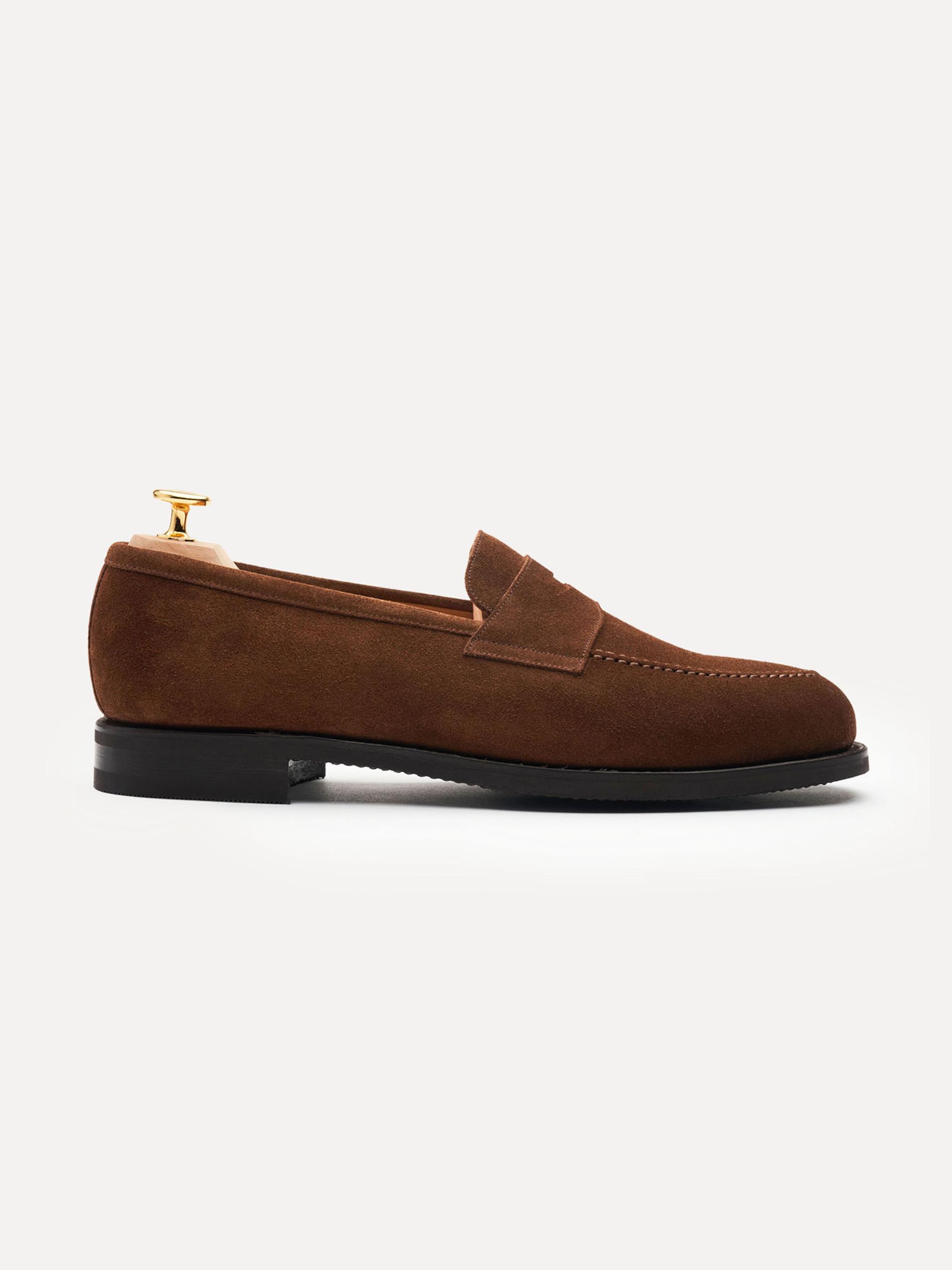
Faster break-in. Full-grain leather takes its time to soften. Suede tends to feel comfortable from the first wear, and even more so in unlined constructions – like our unlined Penny Loafer in brown suede, which has no inner lining at all and breathes directly against the foot.
Depth. The nap catches light differently depending on how you brush it – almost like velvet. A brown suede loafer changes mood as you move through the day; a smooth brown loafer stays the same. This is why suede adds dimension to an outfit in ways that calf leather can't.
Patina. Well-cared-for suede develops character with wear. Not in the same way as full-grain leather, but in its own register – edges soften, colour deepens slightly, and the fibres settle into the rhythm of how you wear the shoe.
How to care for suede
Suede has a reputation for being fragile. With a small amount of habit, it isn't.
The basics:
1. Brush after every wear. A horsehair brush for loose dust, a crepe or brass brush for lifting the nap if it has been compressed. This is the single most important habit for keeping suede looking right.
2. Impregnate before first wear. A water-repellent spray – we recommend Saphir Super Invulner – creates an invisible barrier that prevents water from soaking in and makes later cleaning far easier. Reapply every few weeks in wet weather, monthly otherwise.
3. Use cedar shoe trees. After every wear, insert shoe trees and let the shoes rest for at least 24 hours. The cedar absorbs moisture and the tree keeps the shape.
4. Clean promptly, dry slowly. Mud or dirt is easier to remove before it dries. When suede does get wet, let it dry at room temperature with paper inside – never near a radiator, never in direct sun.
For anything beyond routine care, we have a dedicated step-by-step guide: how to restore suede shoes. And for quick everyday rules, see our suede care guide.
Frequently asked questions
Yes. Suede is full-grain or split leather that has been sanded on its inner surface to raise a soft nap. It is not a synthetic or imitation material.
Light rain is fine if the suede has been treated with a water-repellent spray. Heavy rain should be avoided – suede absorbs water, which can cause water marks and flatten the nap. If it happens, let the shoes dry naturally and brush once fully dry.
Not if you handle it correctly. Stuff the shoes with paper, keep them at room temperature away from heat, and let them dry for 24 hours before brushing the nap back up.
Suede and smooth leather from the same hide are roughly comparable in price. Quality differences reflect the tannery, the animal, and the tanning method far more than the surface finish.
Well-made suede shoes, properly cared for, can last a decade or more. MORJAS suede loafers are Goodyear-welted, which means the sole can be replaced multiple times over the shoe's lifetime – the upper is the part you'll keep.
Velvet is a woven fabric, typically silk, cotton, or synthetic. Suede is leather. They can look similar from a distance, but one is textile and the other is an animal hide.
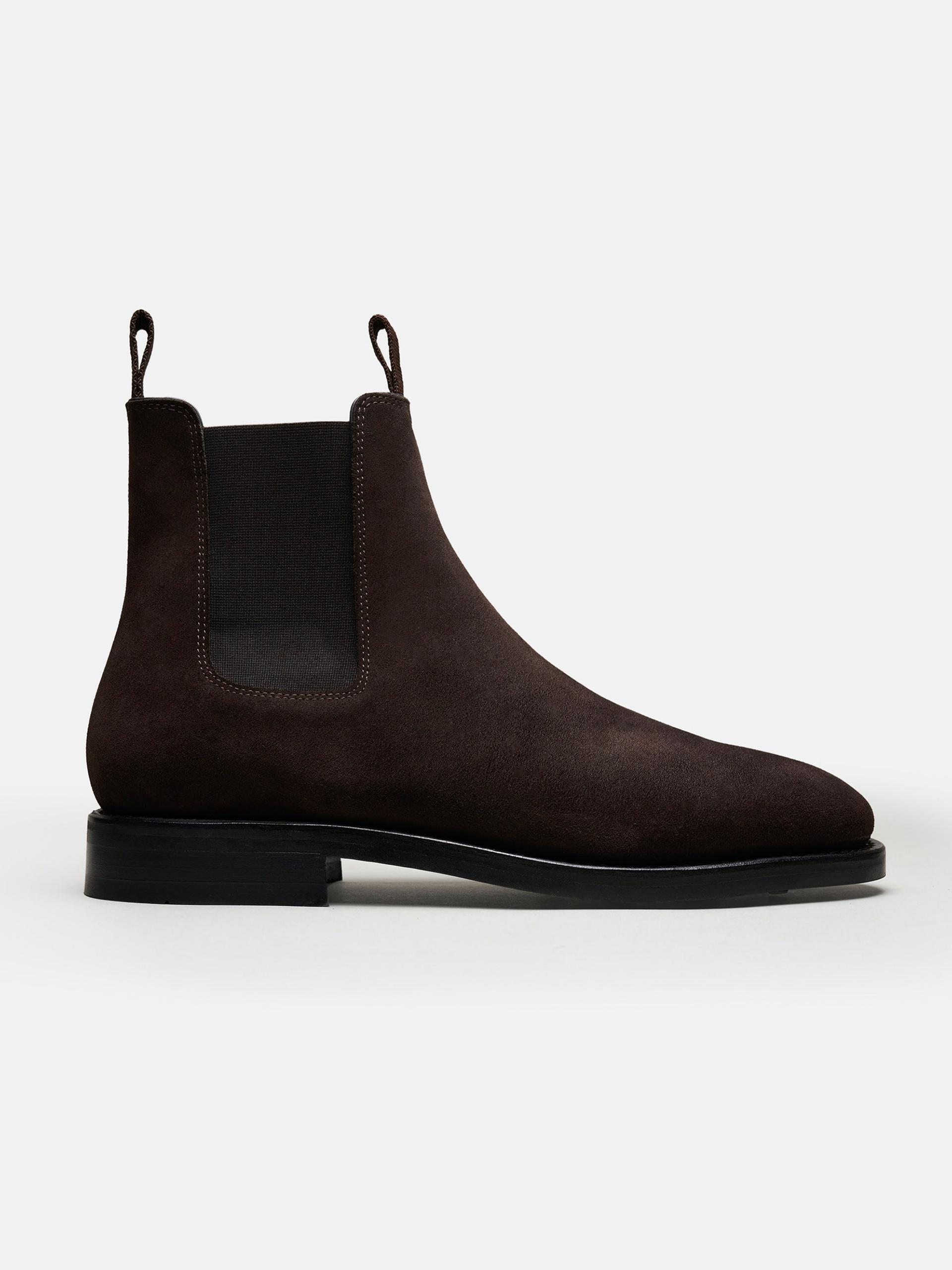
Suede rewards small amounts of care with a softer, warmer, more expressive version of leather. MORJAS works with European suede across the entire collection, from Penny Loafers and Ivy Loafers to Chelsea boots and espadrilles – handmade in Spain. Explore the full suede collection.